


KCCT developed a comprehensive renovation plan for the Chancery, including a preliminary design of the entire building based on the approved design program.
US Embassy
Budapest, Hungary
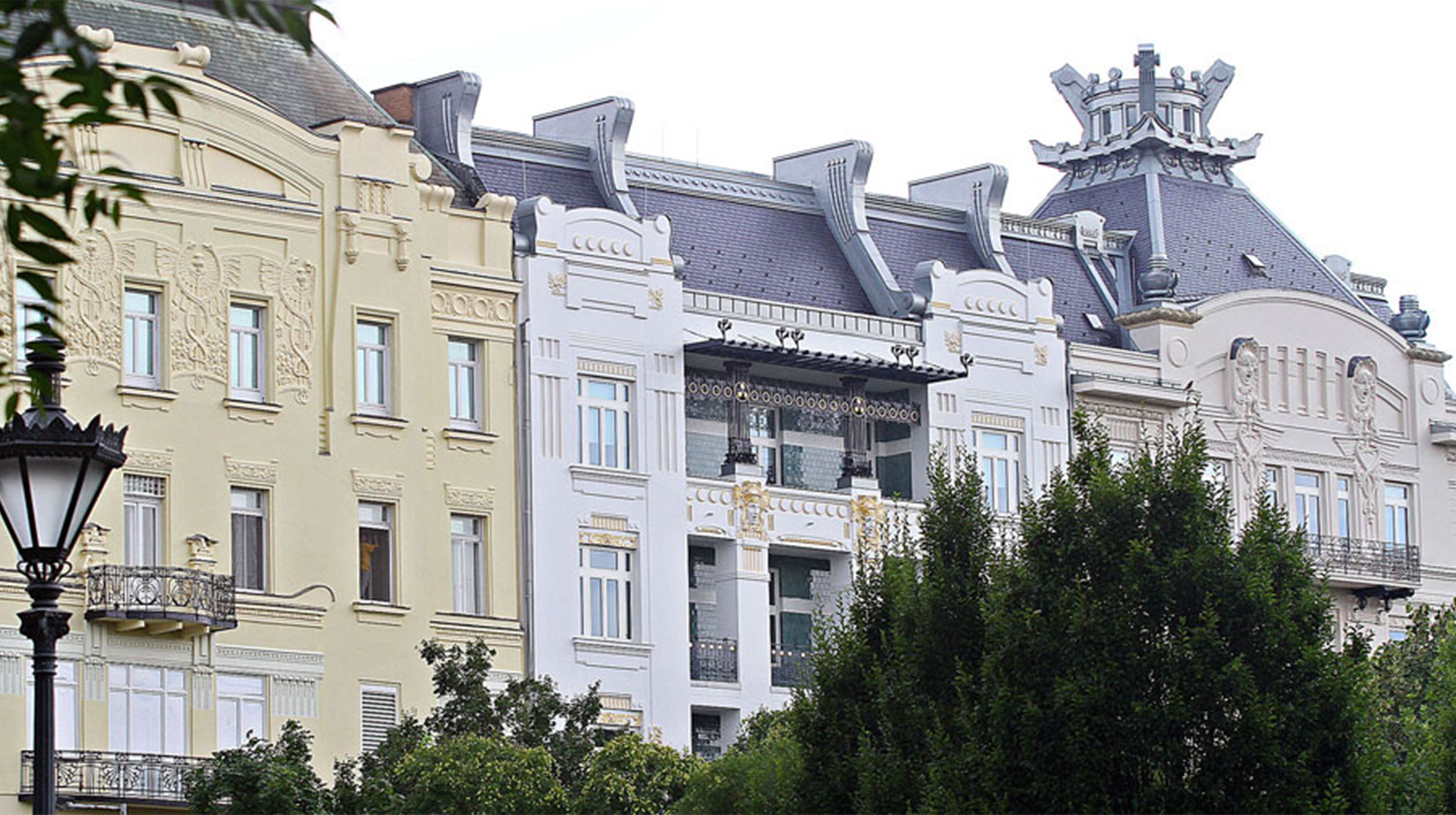
KCCT partnered with the US Department of State’s Bureau of Overseas Buildings Operations to plan and design the renovation of the historic 1902 Secessionist-style building housing the US Embassy in Budapest, Hungary. Designed by Aladár Kármán and Gyula Ullman, the six-story building anchors a row of three similar structures on the north side of Szabadság tér.
Design Approach
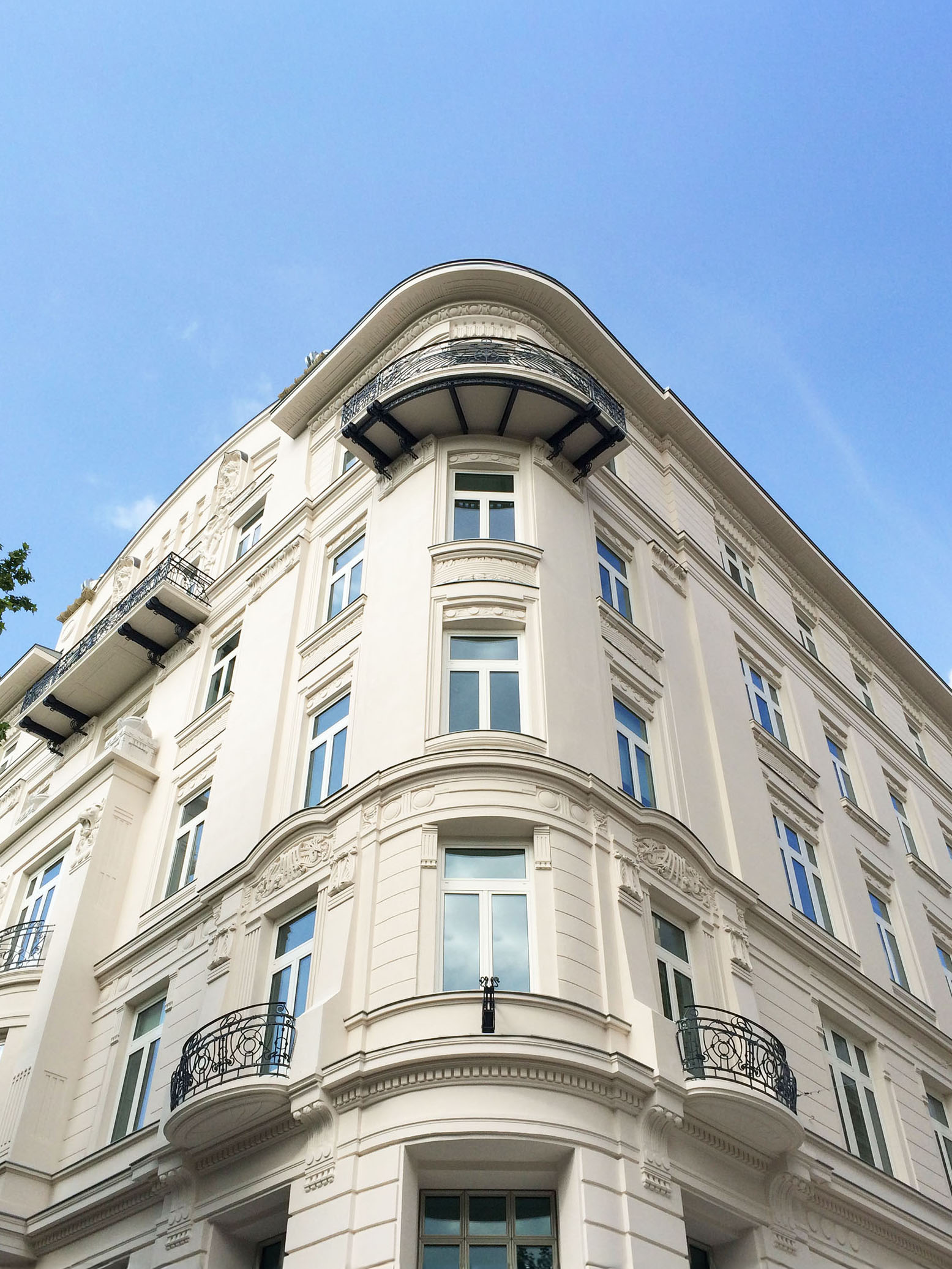
The plan was executed through a series of sequentially phased projects that allowed continuous Embassy operations during construction. This complex, multi-phase renovation of an occupied historic building represented one of the most challenging project types undertaken for OBO. The exterior of the listed landmark contributes significantly to the historic character of Szabadság tér.
Originally, Embassy operations were housed in the westernmost of three Secessionist buildings. The renovation included space reorganization, complete systems replacement, and the addition of new elevator and stair cores to improve accessibility. As the second and third buildings were acquired and renovated, public access and work areas expanded into the annex buildings, opening new areas of the original Chancery for growth.
The most recent phases integrated circulation and utility distribution between the chancery and annex and initiated plans for a comprehensive security upgrade and reorganization of the entire complex. Highly detailed phasing plans minimized personnel relocation while maintaining full mission operations throughout the multi-year project.
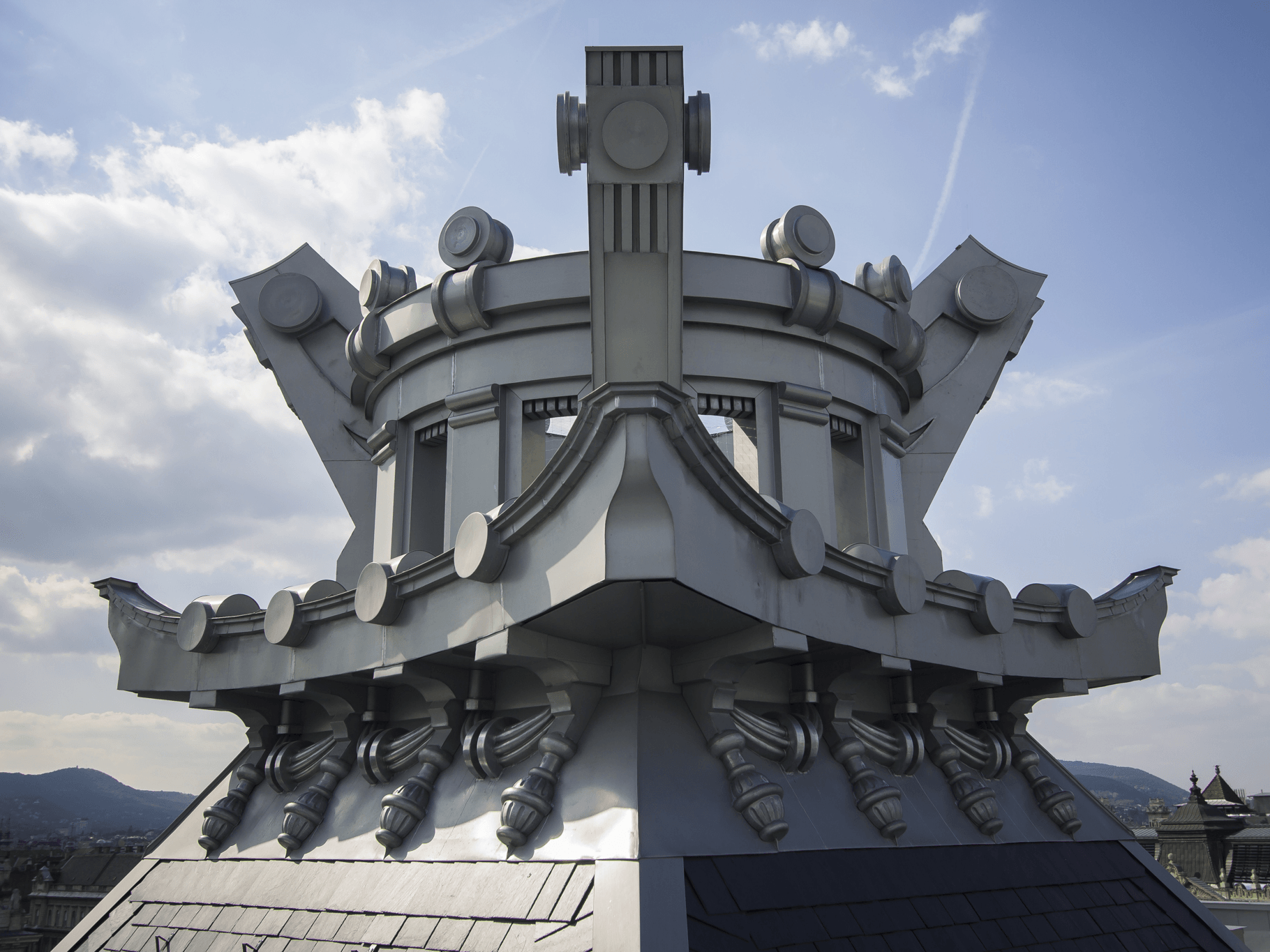
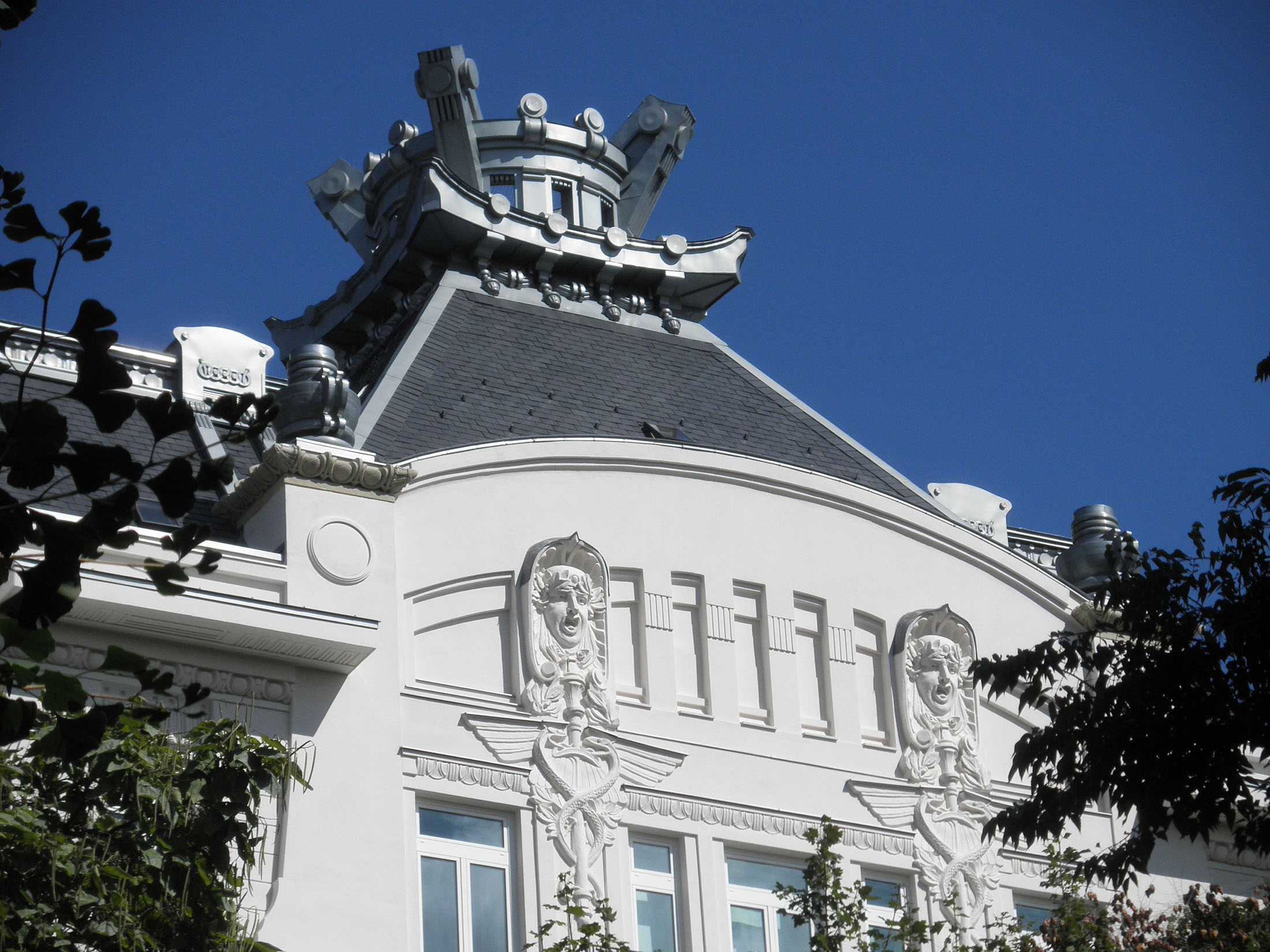

Forensic investigations supported the design process, including sampling and testing of brick masonry, mortar, and steel beams, as well as geotechnical studies for new elevator cores. Exterior preservation and interior finishes highlighted the craftsmanship of local trades, ensuring architecture that remained contextual to Budapest’s urban fabric.
Building Performance
The renovation demonstrates KCCT’s expertise in preserving and modernizing historic facilities while enhancing performance and sustainability. More than 90% of the chancery’s structure and shell were maintained, with materials of historic significance repaired and reused throughout. In several cases, areas were dismantled to install new infrastructure systems, then reconstructed using the original materials.
The project embodies energy conservation through continued reuse of an existing structure—preserving embodied energy and minimizing waste. This renovation stands as a model for sustainable renewal, balancing heritage preservation with modern functionality and security.
Project Information
Services
Location
Budapest, Hungary
Size
201,500 SF
Owner
US Department of State Bureau of Overseas Buildings Operations
Related Projects


