Potomac Annex and Navy Hill Campus Planning and Adaptive Re-Use
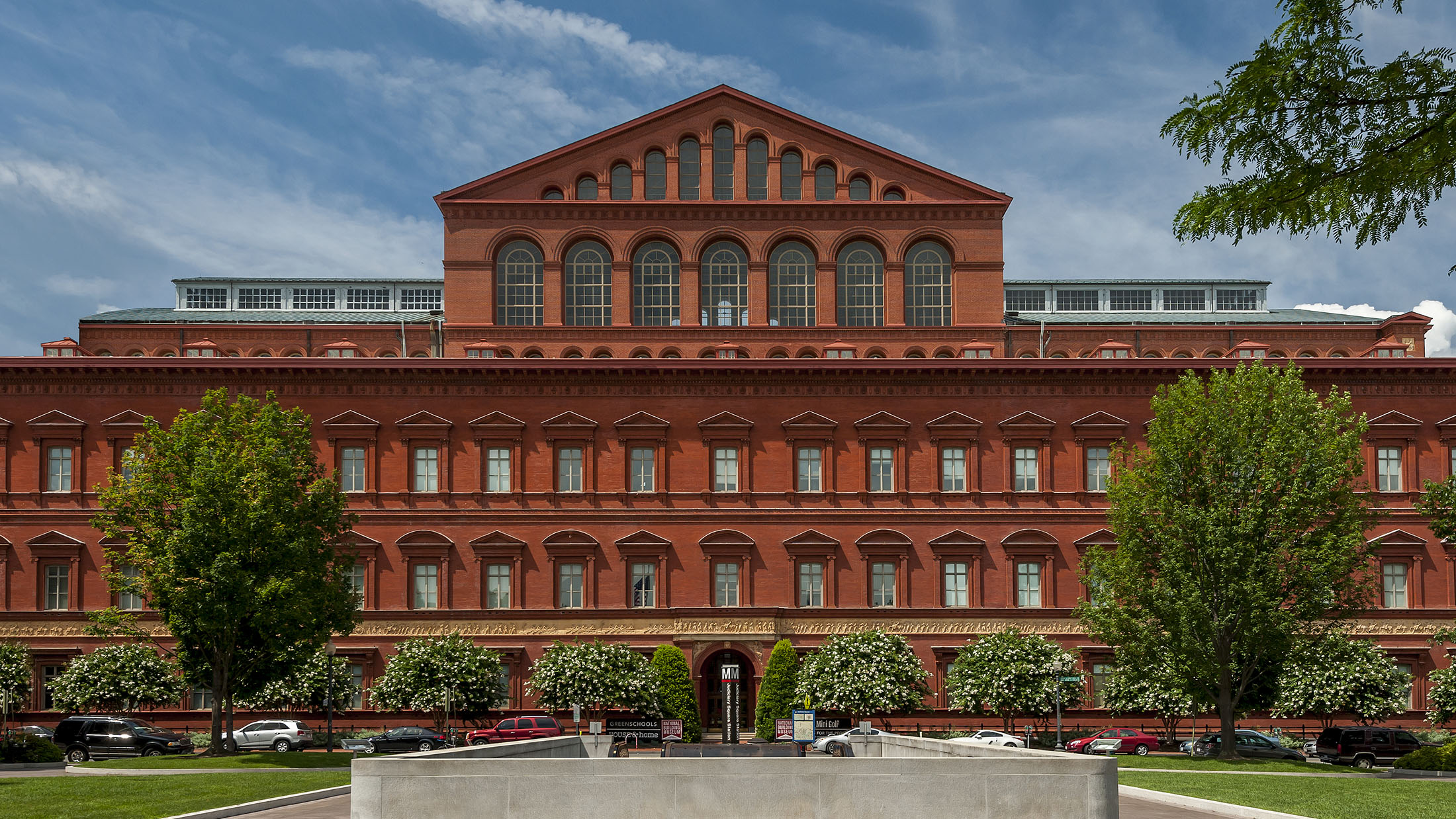
Located between the Harry S Truman Building and the Kennedy Center in Washington, D.C., the Potomac Annex and Navy Hill campus is a designated historic district with deep cultural and governmental significance. When the Department of State sought to consolidate multiple tenants from various leased annexes onto this site, KCCT was selected to lead a comprehensive feasibility study and, subsequently, a full architectural and engineering renovation effort of four historically significant buildings with different footprints.
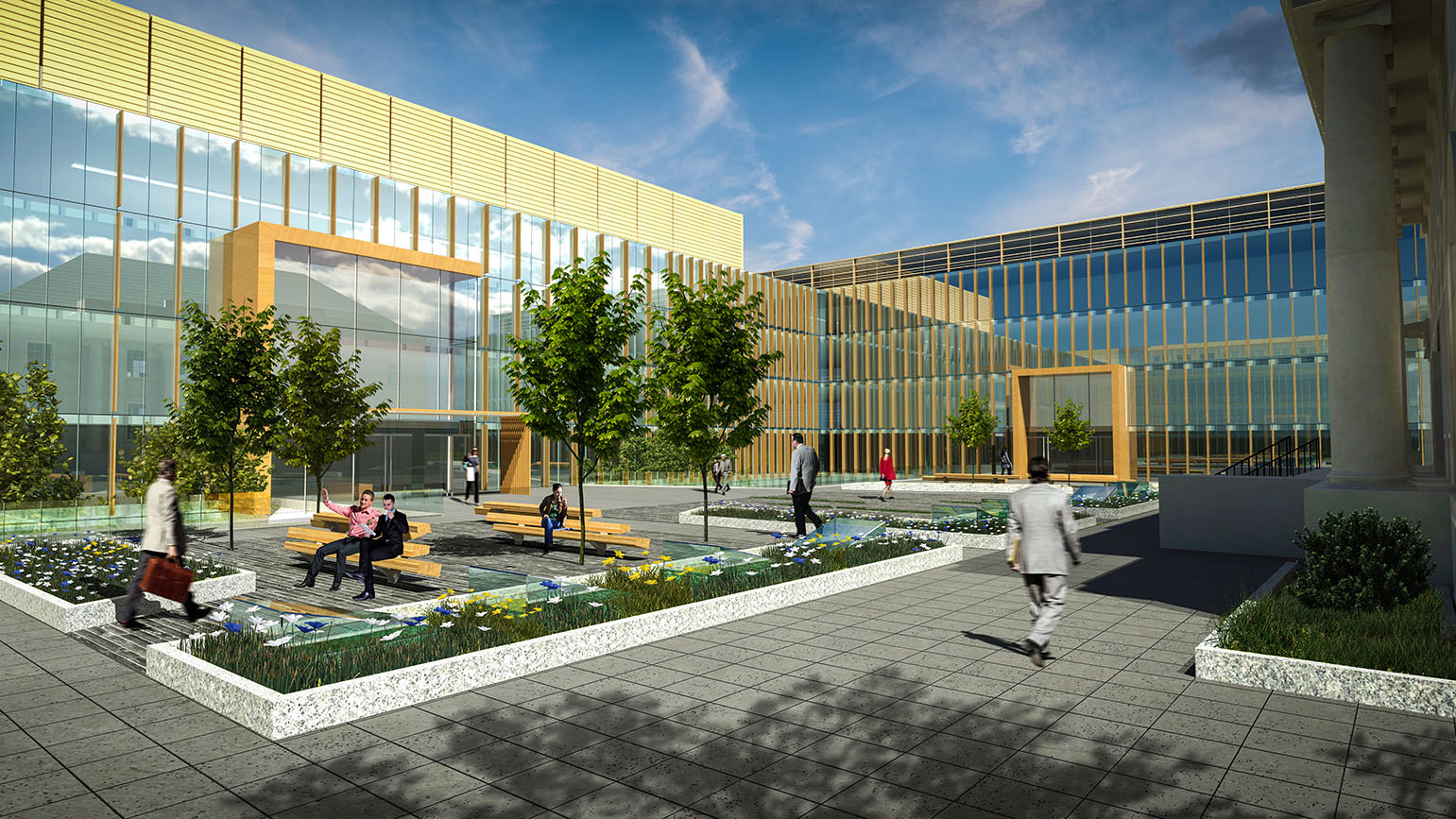
KCCT’s initial scope included the development of four master plan scenarios focused on integrating new construction with the adaptive reuse of existing historic structures. The feasibility study incorporated a wide array of assessments—from site infrastructure surveys and archaeological research to existing conditions documentation and program development modeling.
The resulting master plans ranged from low- to high-impact development strategies, balancing sensitive interventions with future growth potential. KCCT also performed program verification and blocking and stacking exercises to optimize campus functionality.
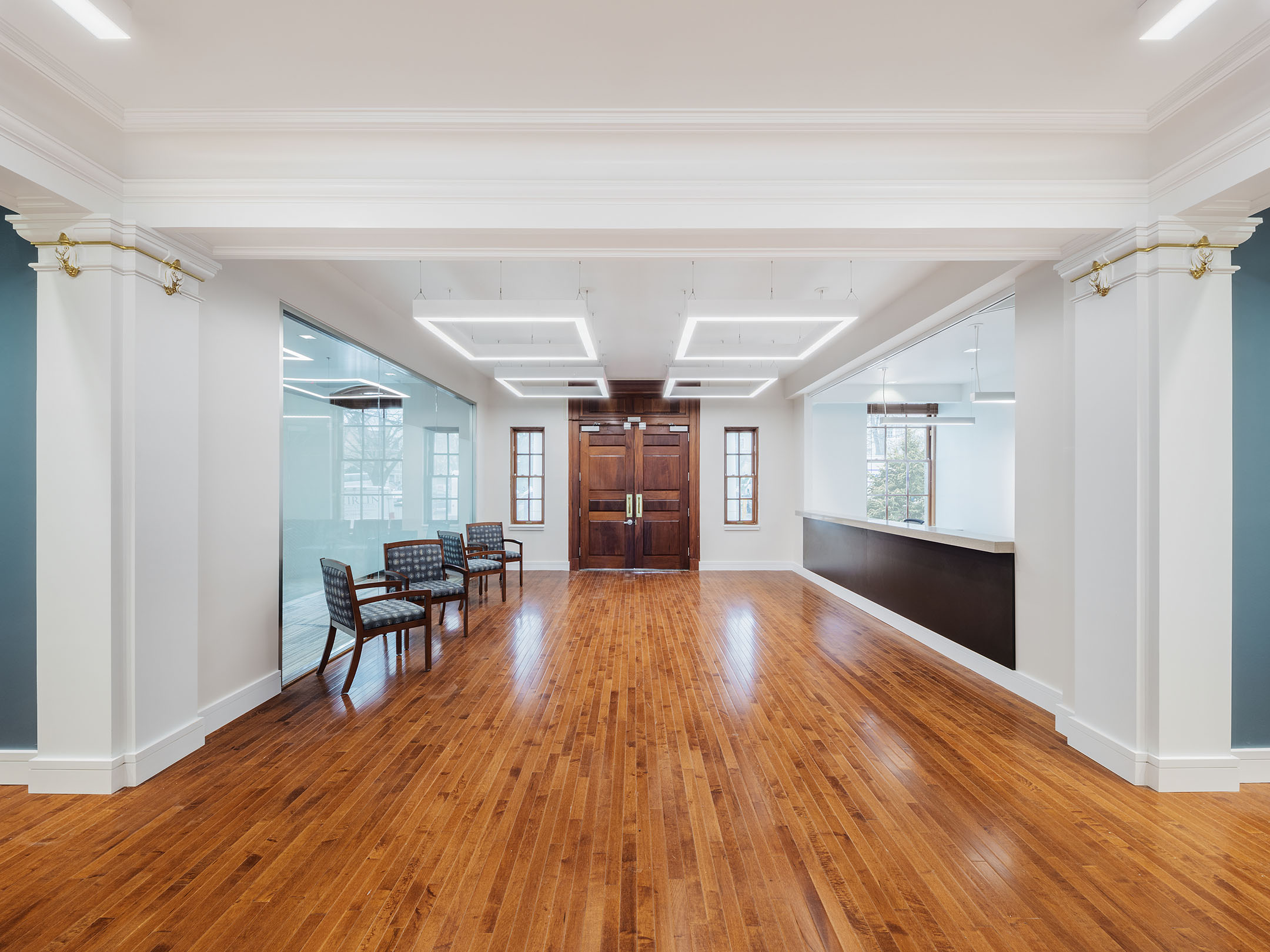
Following the feasibility phase, KCCT’s role expanded to include interior space planning, full design, and construction administration for the renovation of four historically significant, occupied buildings. Each structure required a tailored approach based on its footprint, condition, and long-term operational needs.
The design approach emphasized preservation, adaptive reuse, and contextual sensitivity. New infill structures were strategically designed to nest within the site’s natural topography, minimizing their visual impact and maintaining zoning compliance. Site infrastructure was comprehensively upgraded.
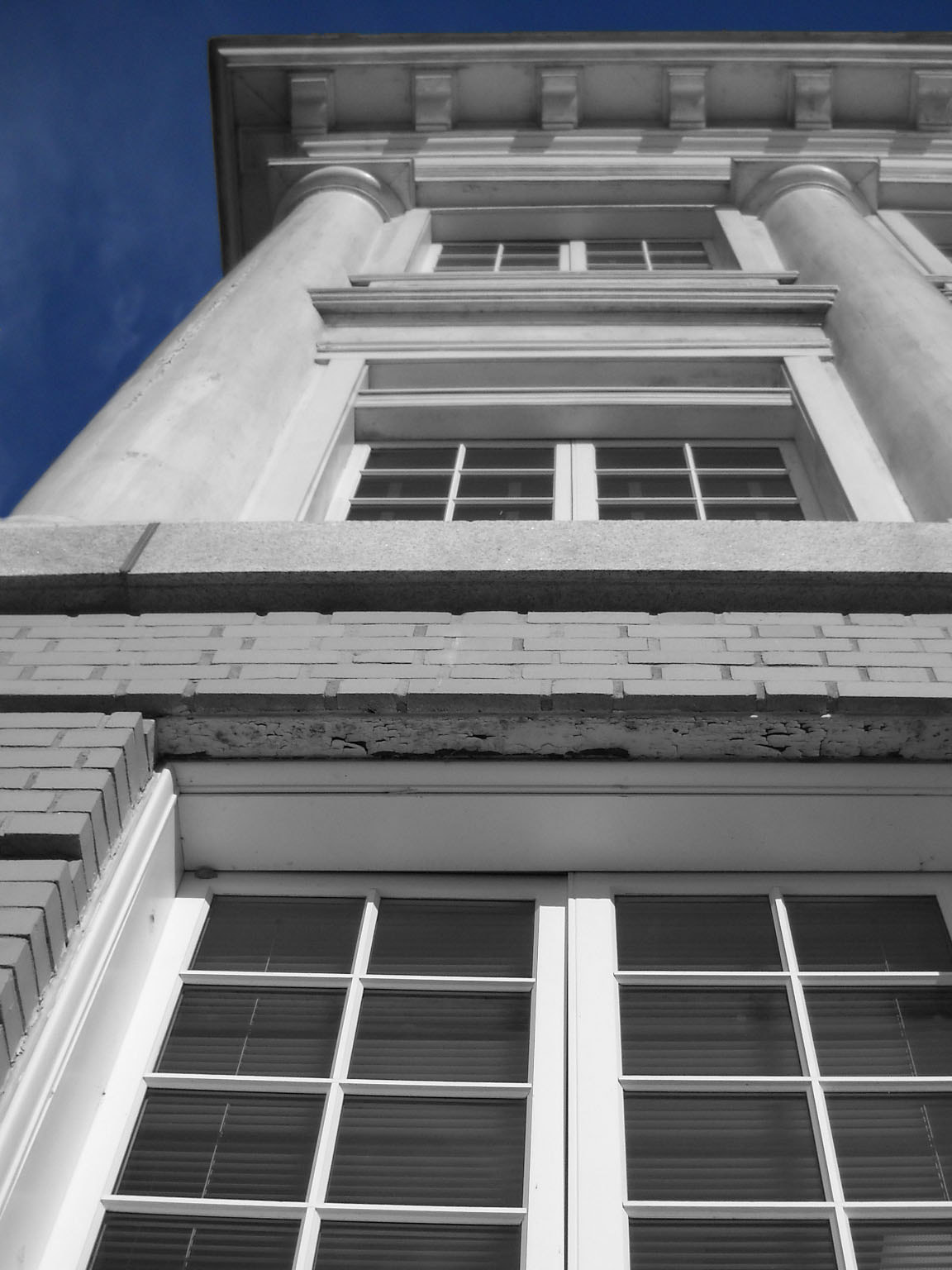
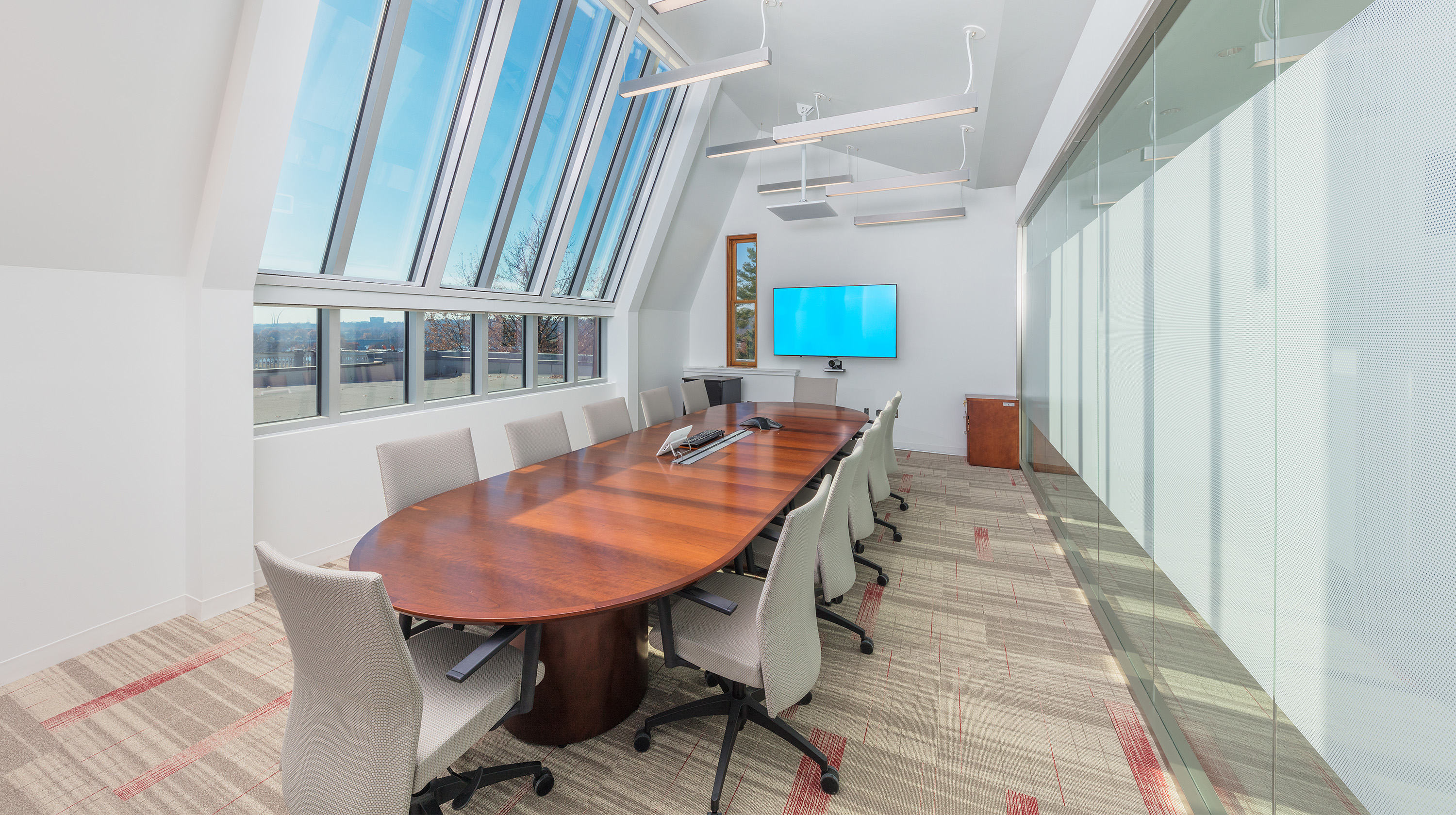
The project involved a comprehensive restoration of the campus, beginning with exterior upgrades such as masonry cleaning, repointing, and the retrofit of historic windows using zinc weather-stripping and solar film to enhance energy performance while preserving the buildings’ character. A new telecommunications duct bank was introduced to connect all renovated structures with the main Department of State headquarters, improving infrastructure reliability. Interior suites were rebuilt to meet rigorous security and performance requirements, supported by phased site-use strategies that kept the campus fully operational with coordinated access for both construction teams and daily occupants. Structural work addressed foundational instability through rebuilding and underpinning, strengthened the framing with reinforcements and carbon-fiber systems, and incorporated geotechnical findings to stabilize areas with compromised soils.
By preserving key architectural elements while modernizing systems and interior functions, KCCT helped the Department of State reduce the campus’s carbon footprint and extend the life of this historic federal asset.