The project redefined the building’s purpose for diplomatic use while preserving its architectural legacy. KCCT’s work honored the mansion’s distinguished past, balancing the technical and security demands of an embassy with the detail of a landmark restoration.

Embassy of Hungary
Washington, DC
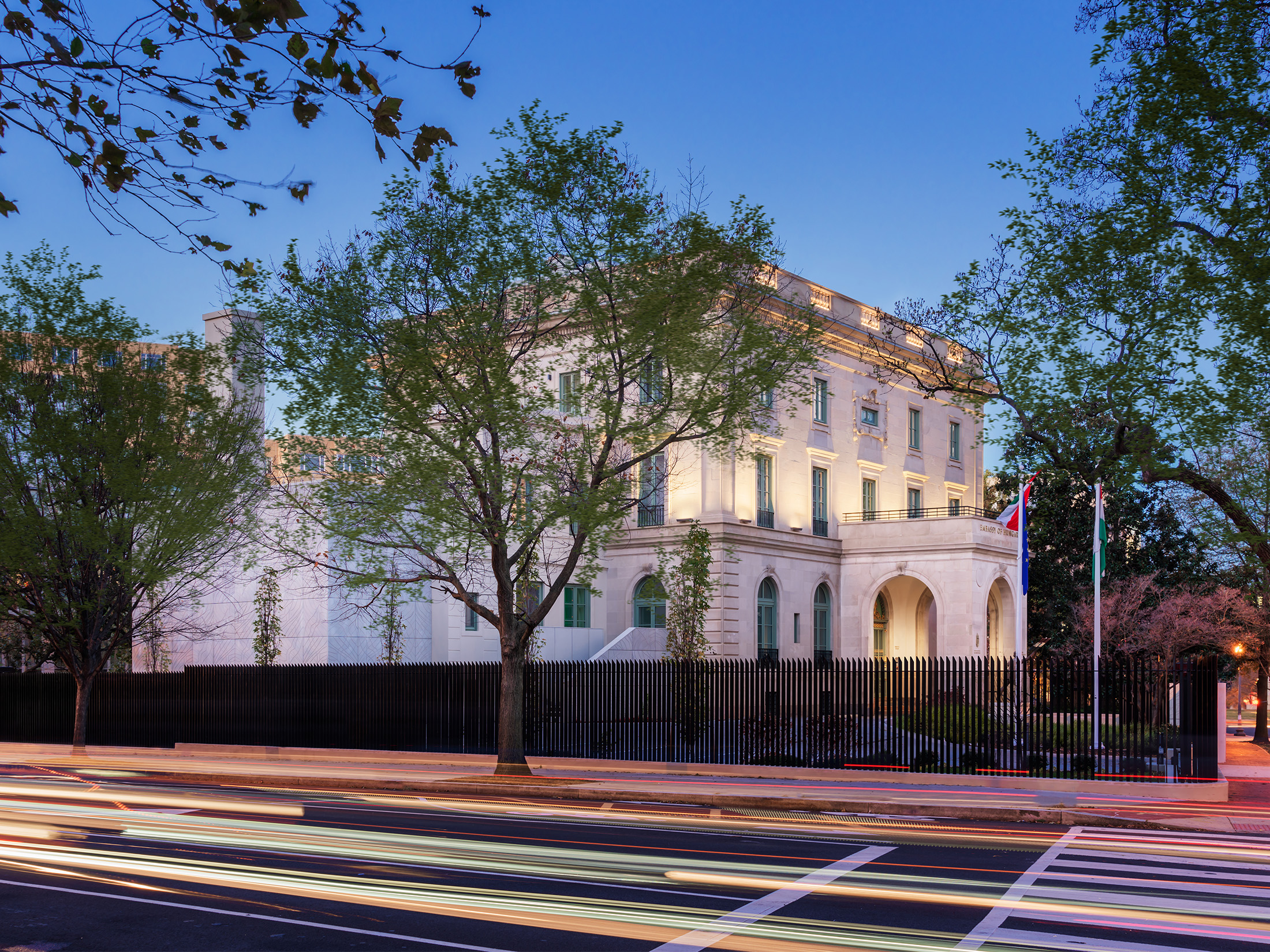
KCCT partnered with a Hungarian contractor in a design-build effort to transform the historic Brodhead-Bell-Morton Mansion, once home to Alexander Graham Bell, into use as the Embassy of Hungary.
Listed on both the DC Inventory of Historic Places and the National Register of Historic Places, the four-story mansion embodies a layered architectural history: originally built in 1887 in the Queen Anne style and re-envisioned by John Russell Pope in 1912 in the Italian Renaissance Revival style.
Design Approach
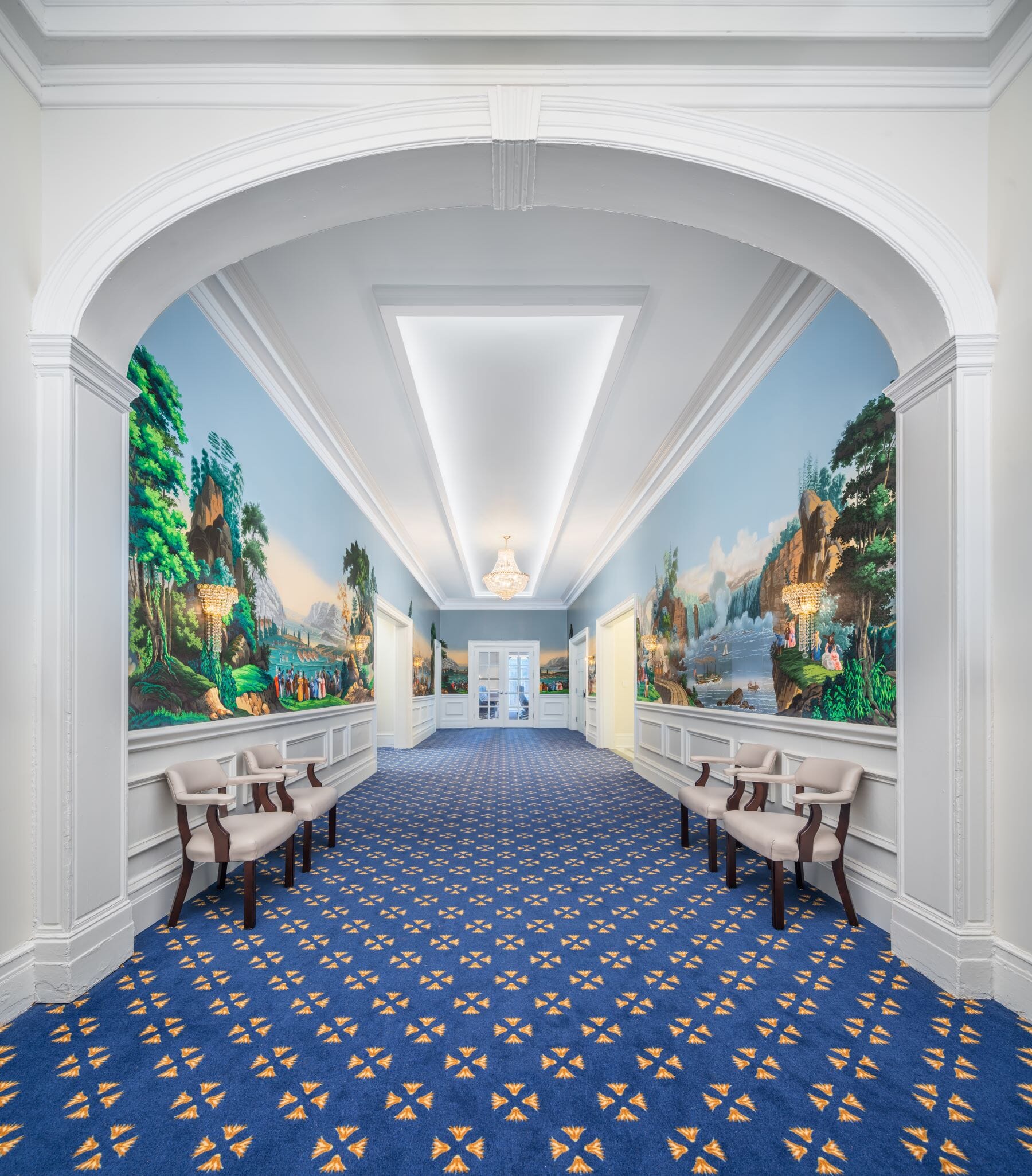
The renovation created representational spaces that reflect the dignity of the embassy while celebrating the building’s historic character. Restoration and preservation guided every design decision, from the repair of the exterior masonry to the careful enhancement of interior finishes that define the mansion’s heritage.
Accessibility was a central focus, including an elevator now extends from the sub-basement to the fourth floor, and integrated pathways allow barrier-free movement throughout the building without detracting from its architectural integrity. Life safety systems were modernized and discreetly integrated to maintain the authenticity of the original design.
A Dialogue Between Past and Present
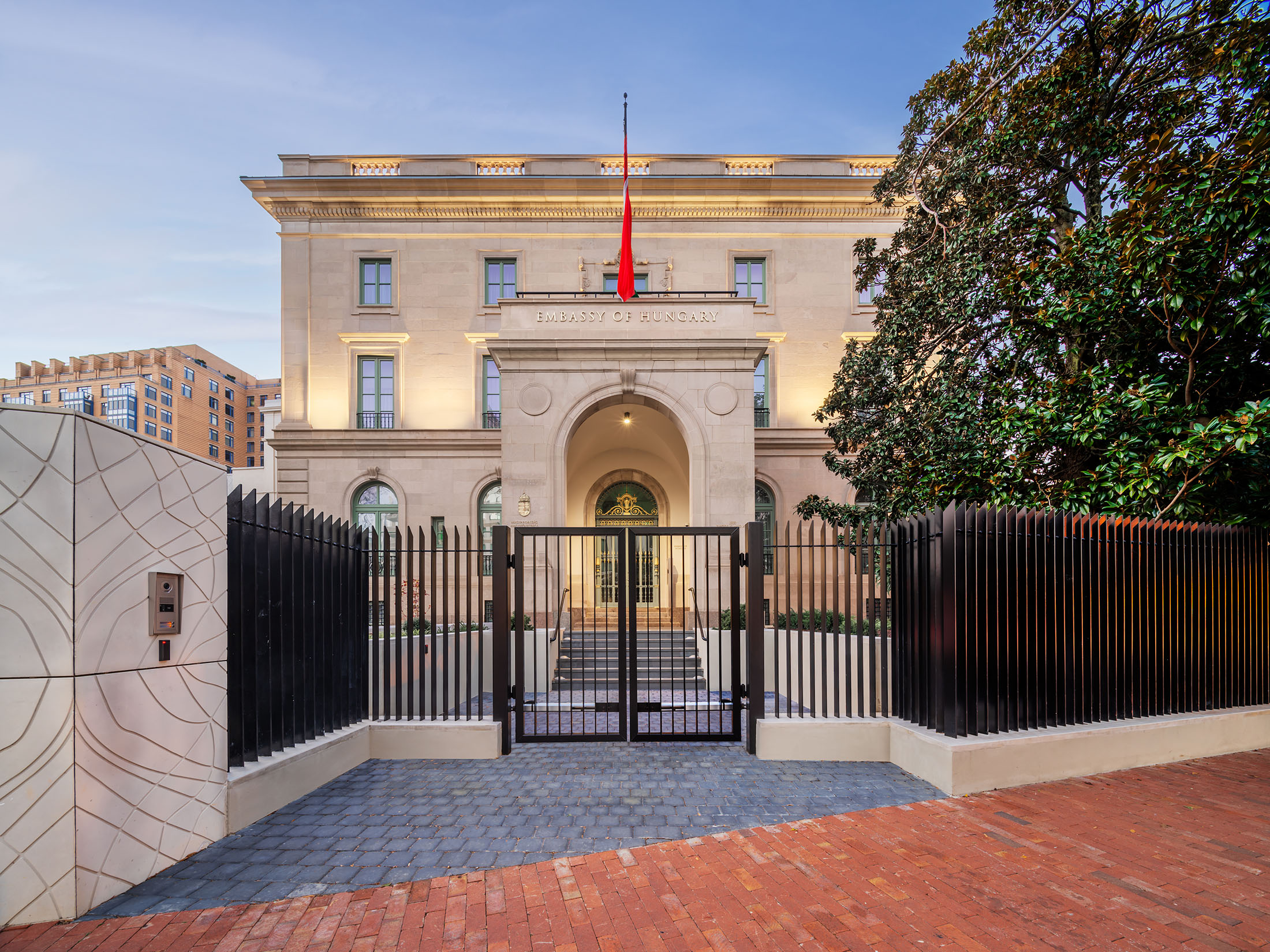
Site restoration emphasized a secure yet welcoming presence within the Dupont Circle neighborhood. Permeable paving materials support both parking and outdoor gatherings, allowing the landscape to serve as a flexible extension of the embassy’s program. New perimeter walls and fencing incorporate stainless steel and concrete textured with Hungarian-inspired patterns, offering a subtle cultural expression that complements the historic façade.
Windows were reconstructed to their original proportions, restoring the visual rhythm of the 1910s design. The removal of outdated rooftop utilities reinstated the prominence of the original mansard roof, and even necessary modern additions—such as a platform lift—were integrated to minimize visual impact.

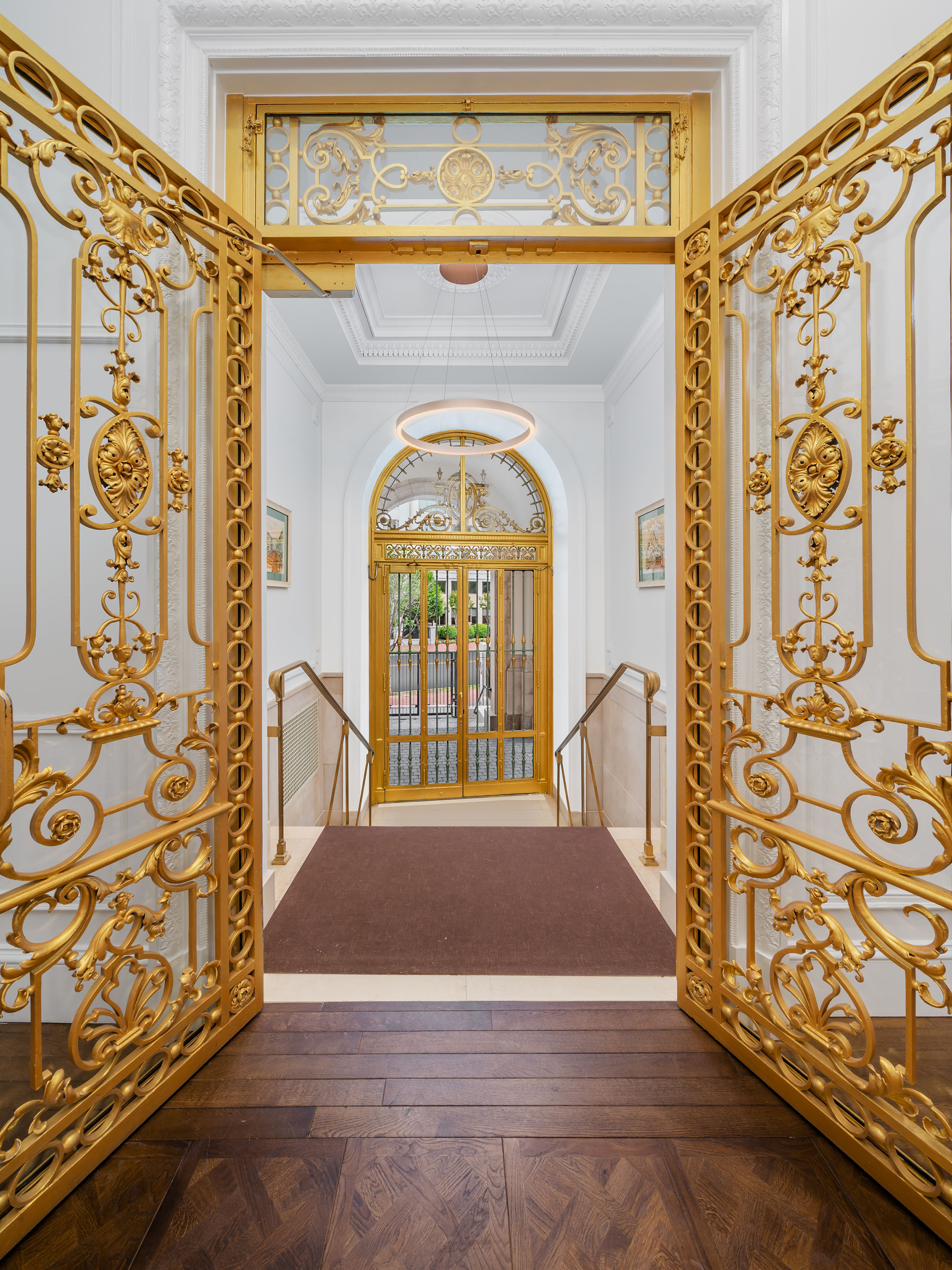
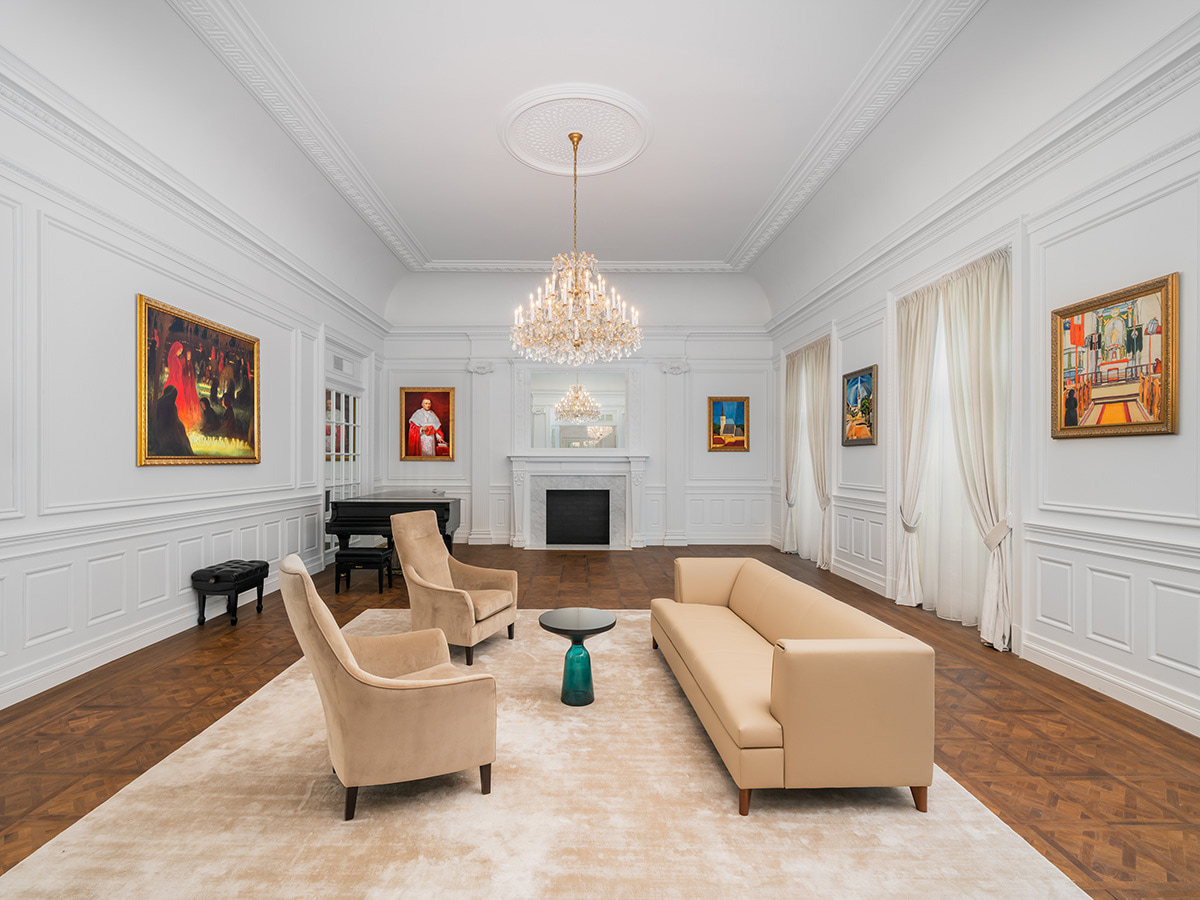
The Embassy of Hungary now stands as a model of adaptive reuse—an intersection of history, culture, and contemporary design that reaffirms the enduring relevance of Washington’s architectural heritage.
Project Information
Services
Location
Washington, DC
Size
25,000 SF
Owner
Hungarian Ministry of Foreign Affairs and Trade
Design-Build Partner
Mega-Logistic Zrt
Related Projects