The restoration protected the building’s character-defining features and ushered the building into its contemporary role to provide education programs, administrative needs, and ground assembly space for the Fort McNair community.
Inter-American Defense College
Fort McNair, Washington, DC
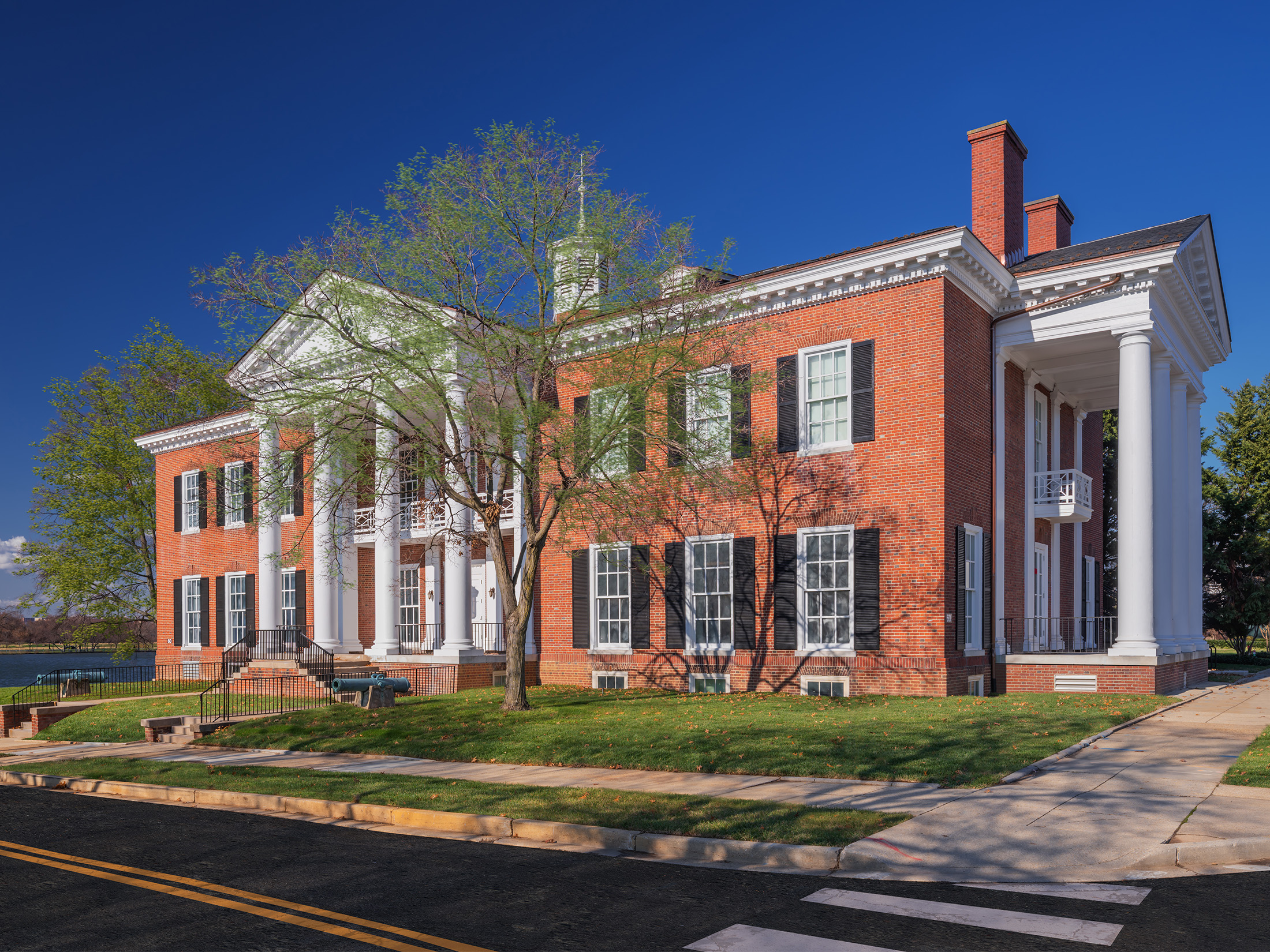
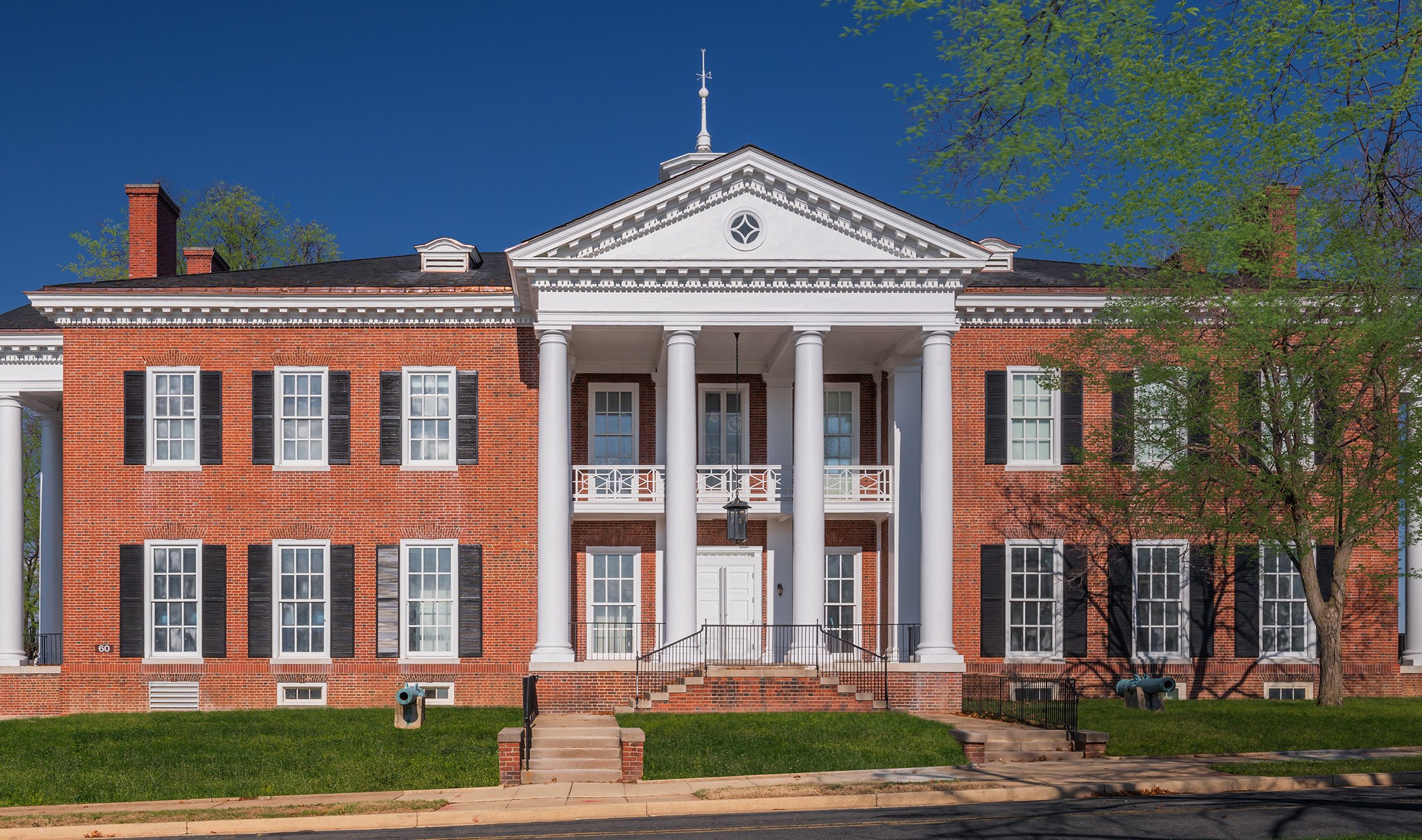
A historic masonry structure originally designed by McKim, Mead & White and constructed in 1905, Building 60 had long functioned as a jewel of Fort McNair's Historic District.
With its functionality stripped away by time and security restrictions that limited access to the post, this former officer’s club required significant renovation to render it habitable once again and to repurpose the space into a state-of-the-art education facility for the US Army’s Inter-American Defense College. As part of a design-build partnership, KCCT led the renovation design to restore the original intent and meet the US Army’s needs for a 50-year life expectancy.
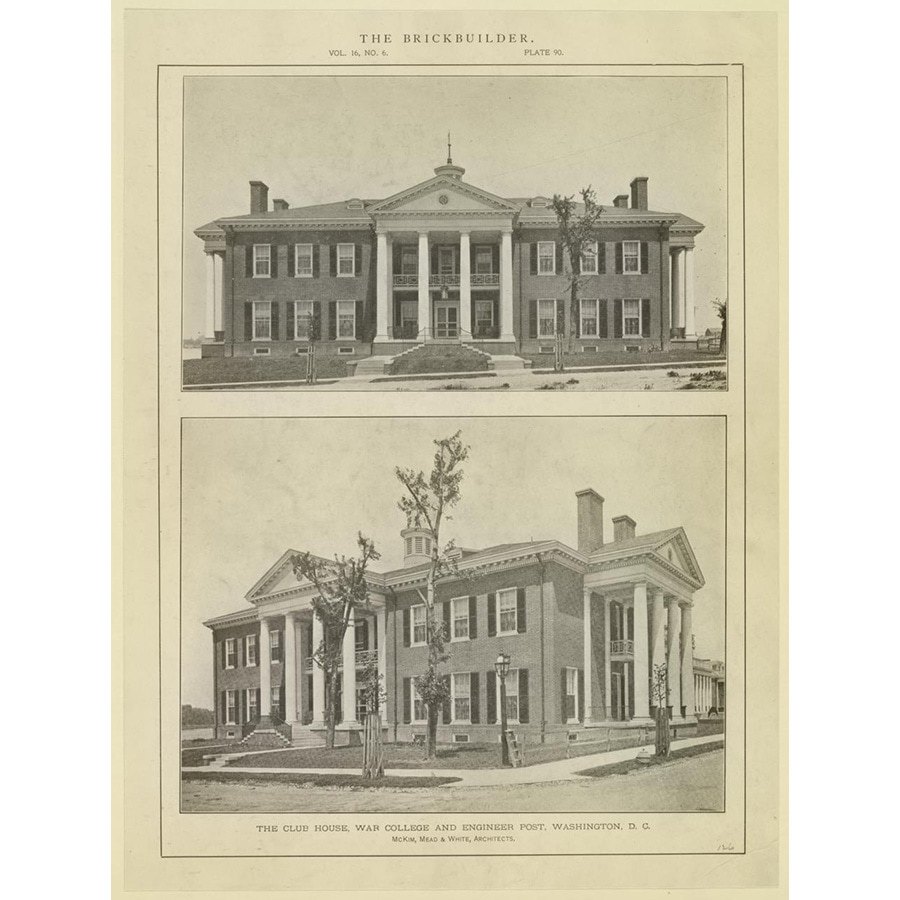
Original McKim, Mead & White drawings
Design Approach
The historical significance of the building lends itself to the experience of stepping back in time, both in the appreciation of the architectural style and the construction methods used in the original build and previous renovations. KCCT and the design-build team sought to restore the historic, character-defining features of the building while upgrading permanent finishes to meet the needs of a state-of-the-art soft-skills training facility. An early example of this was the use of original photography to recreate the original wooden entry door, which filled the whole frame and contextualized the dentals of the building. T
he project scope included all new interior finishes; improvements to the inter-office spaces and creation of a conducive learning and working environment for both soldiers and civilians; and overhaul of mechanical systems, fire alarm systems, and new electrical systems, as well as new architectural finishes and building envelope upgrades.
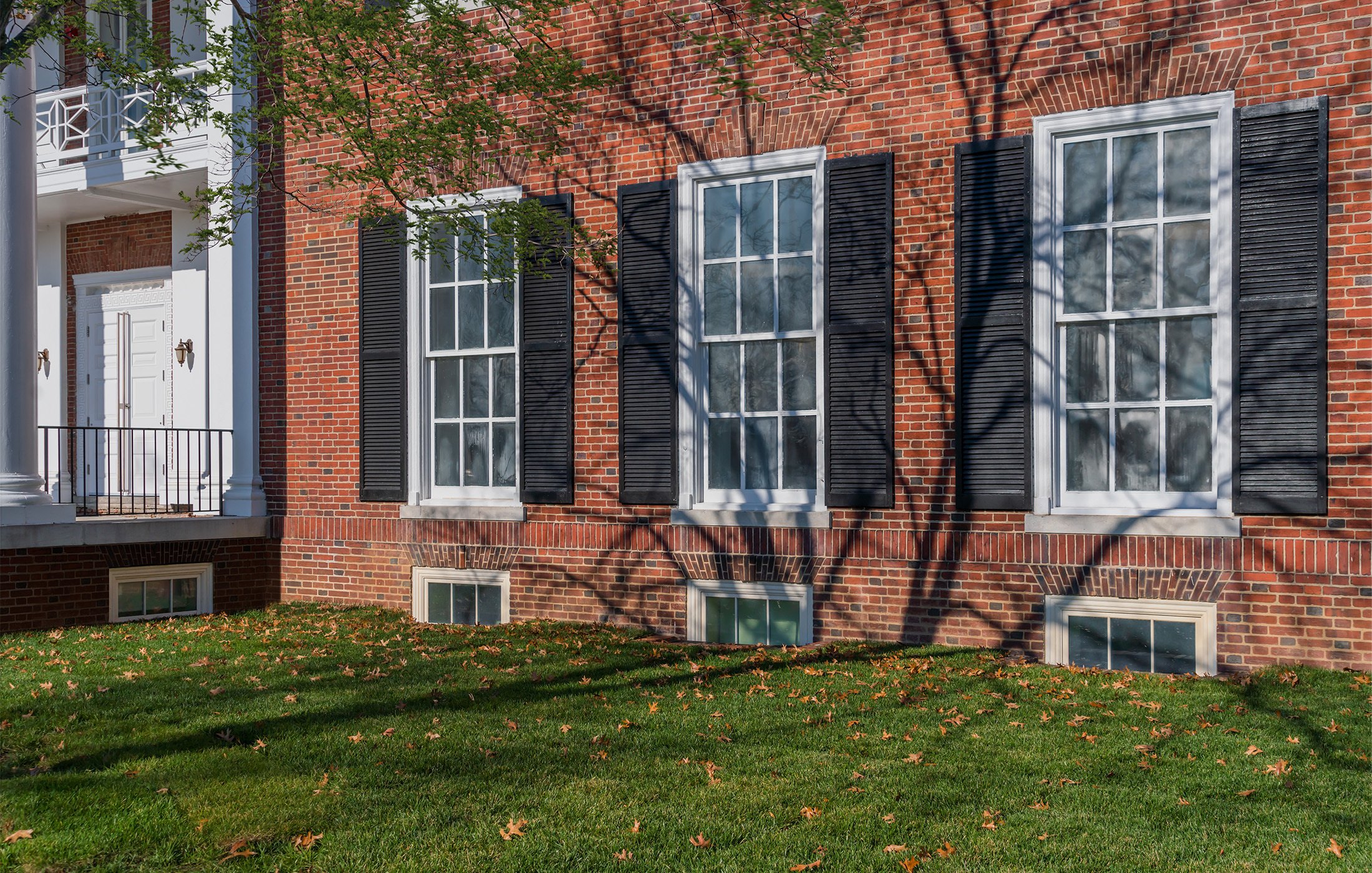
The project team uncovered bricked-over windows to allow natural light into the education spaces and follow the original design. Landscaping was restored to the original design intent, including lawn panels in the southern portion of the site and foundation plantings.

In the entry, a raceway was removed and trim pieces aligned for continuous expression. Marble flooring was patched and repaired, with the salvageable sconces and chandeliers preserved. They preserved and relocated a second set of entry doors, which were original to the building and included original hinges.

Archway original to the building
As part of the further commitment to respecting the original design, the project team relocated and repurposed a historic archway whose existing location conflicted with vital life safety upgrades.
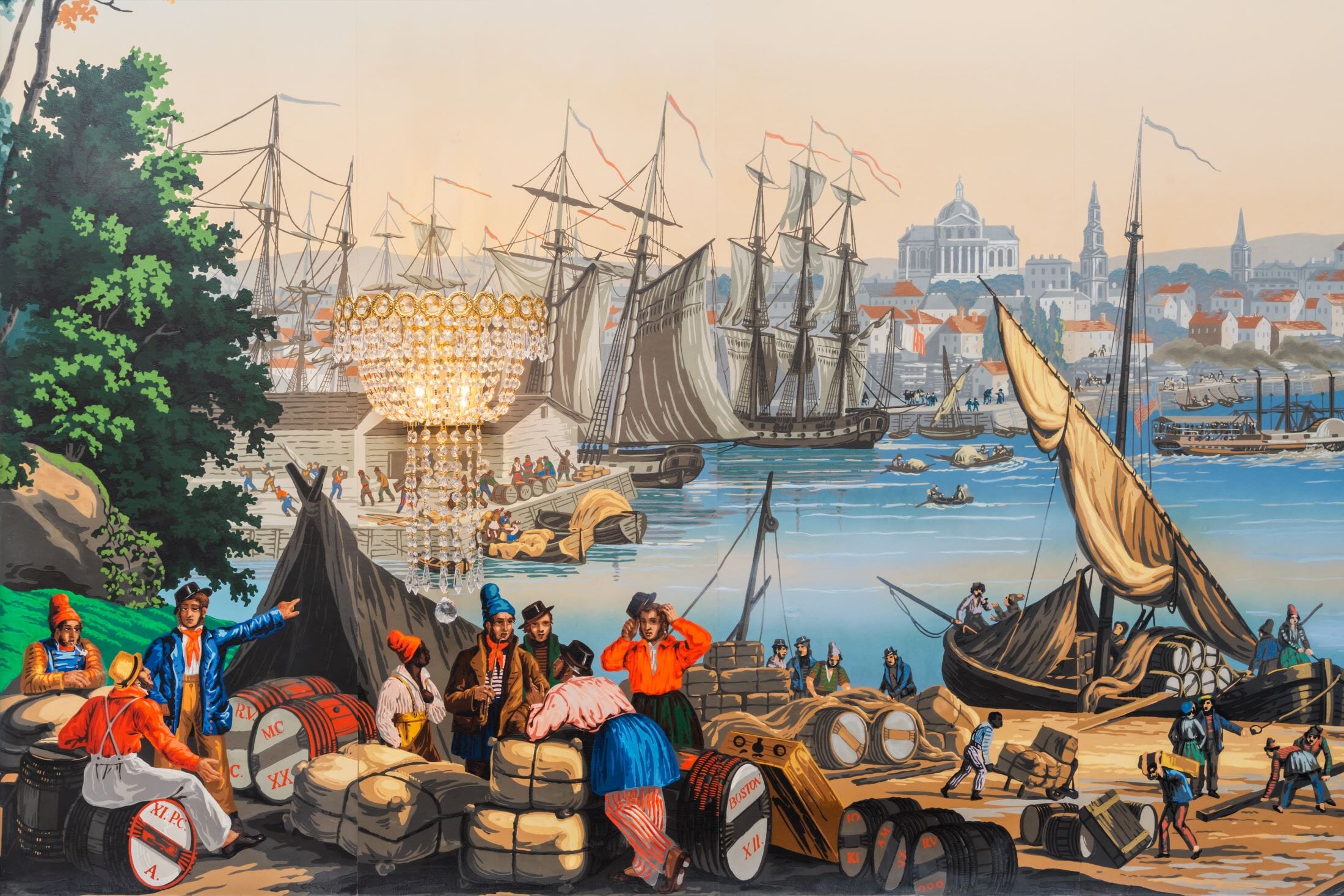
Jean-Julien Deltil's "View of North America"
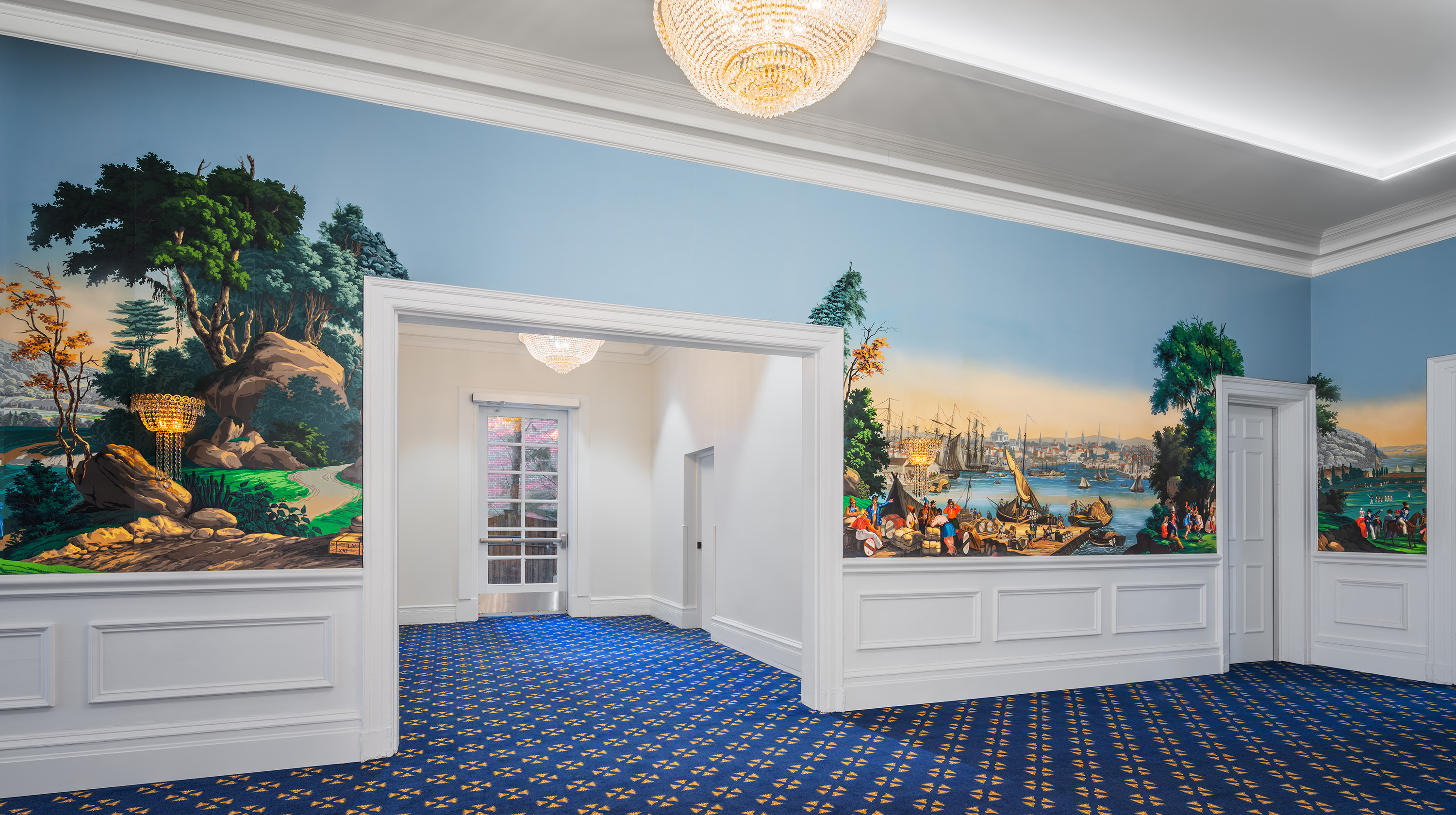
A defining feature of the building foyer is a wallpaper mural printed with Jean-Julien Deltil’s View of North America. Printed by the Zuber Factory since 1834, the scene is comprised of several panels that continue around the room, seamlessly joining the last piece to the first. The wallpaper was installed in the main hallway and heavily adapted to the space.
A key design challenge was to route the wet sprinkler pipe through the room with the mural perpendicular to the direction of the joists without impacting the mural or penetrating it in any way. The design team encapsulated the sprinkler pipe and heads by modifying the non-historic crown molding. The side wall sprinklers are unobtrusive and do not detract from the viewership of the mural, which is simultaneously protected from water damage.
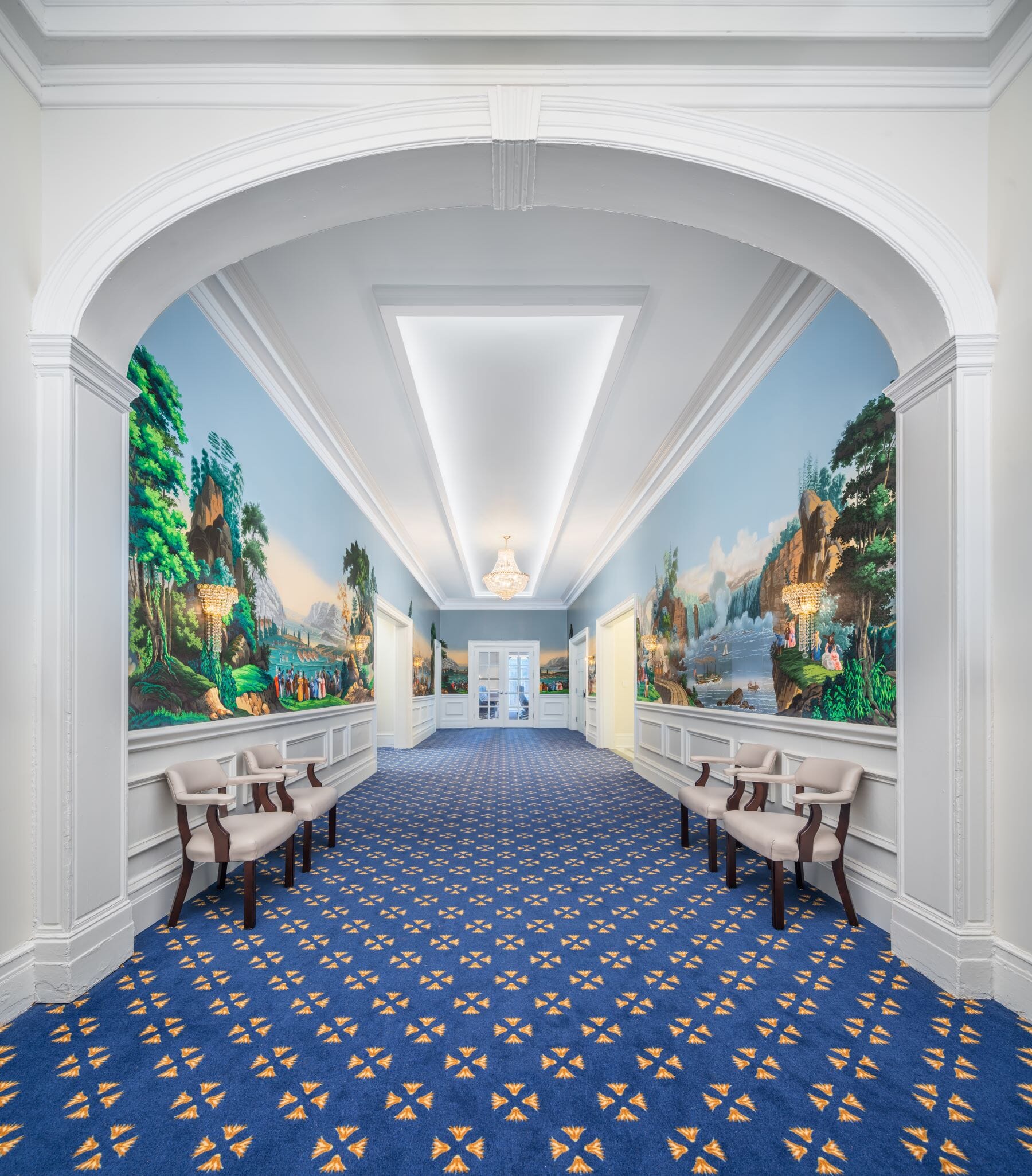
Renovated foyer with preserved mural
Building Performance
Multiple sustainability initiatives were implemented as best practices throughout the design, including subterranean waterproofing and storm / groundwater management. The MEP systems meet current sustainable energy measures, the interior finish selection includes renewable and low-emitting products, and the exterior building envelope was improved to increase thermal performance.
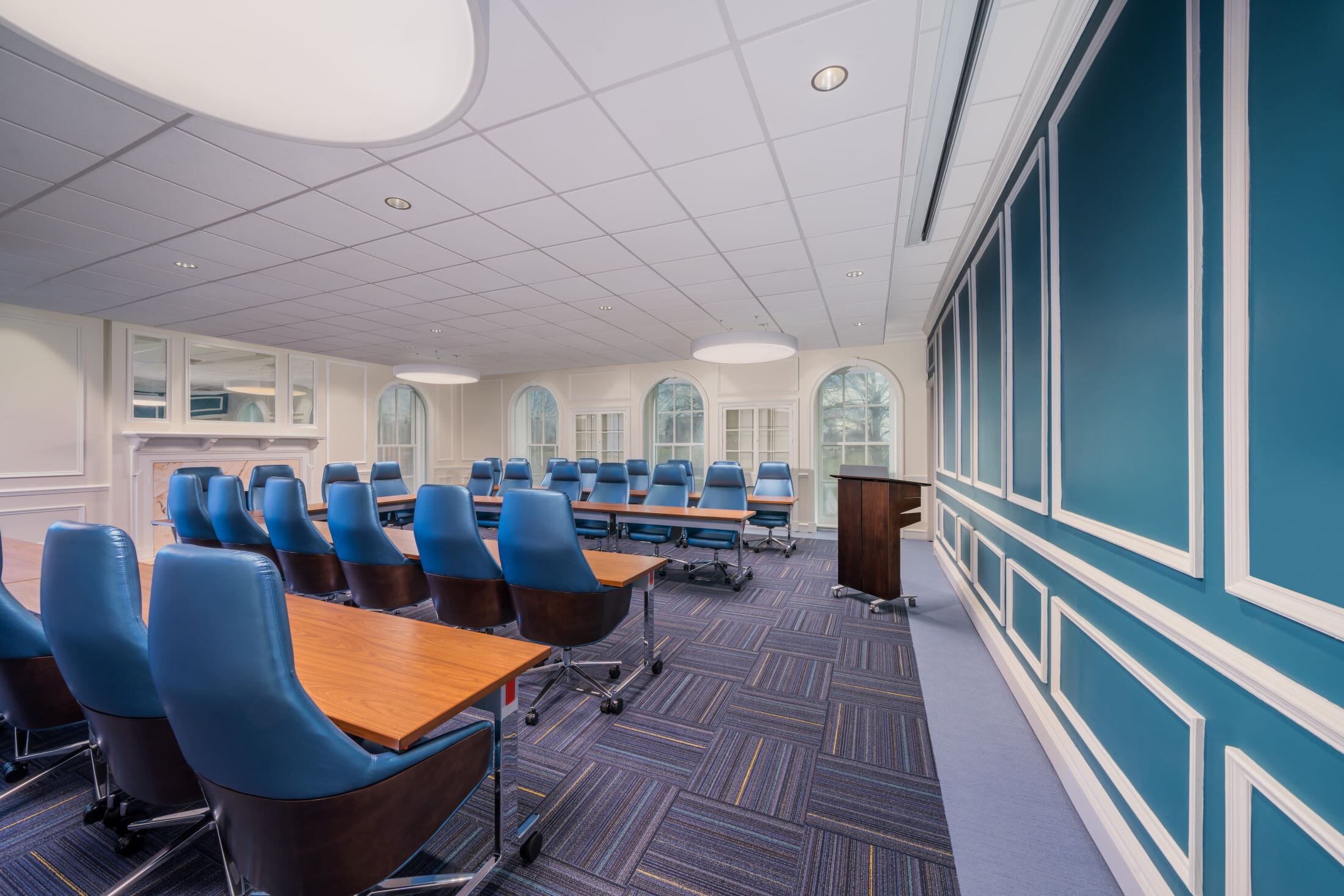
Technologically advanced classroom space
Lasting Impressions
The adaptive re-use of the building provides a much-needed, technologically advanced educational facility to the Inter-American Defense College. The sensitive application of the required modern technologies allows for a more comfortable, functional, habitable space while maintaining character-defining features of a 120-year-old building originally designed by one of the nation’s preeminent architecture firms.
For the Fort McNair community, this project preserves a historic building that contributes significantly to a designated Historic District on the DC Inventory of Historic Sites and is National Register of Historic Places-eligible. It serves as a shining example of the success in the adaptive re-use of a historic space for cutting-edge purposes.
Project Information
Services
Location
Fort McNair, Washington, DC
Size
22,657 SF
Owner
US Army Corps of Engineers Baltimore District
Design-Build Partner
Mortenson Construction
Awards
DBIA National Award of Merit in Rehabilitation, Renovation, and / or Restoration Category
SAME National Merit Award Renovation Category
DBIA Mid-Atlantic Region Award for Best in Design Excellence - Architecture
DBIA Mid-Atlantic Region Award of Excellence for Buildings / Facilities
DBIA Mid-Atlantic Region Award for Best in Teaming
SAME National Merit Award Renovation Category
DBIA Mid-Atlantic Region Award for Best in Design Excellence - Architecture
DBIA Mid-Atlantic Region Award of Excellence for Buildings / Facilities
DBIA Mid-Atlantic Region Award for Best in Teaming
Related Projects